
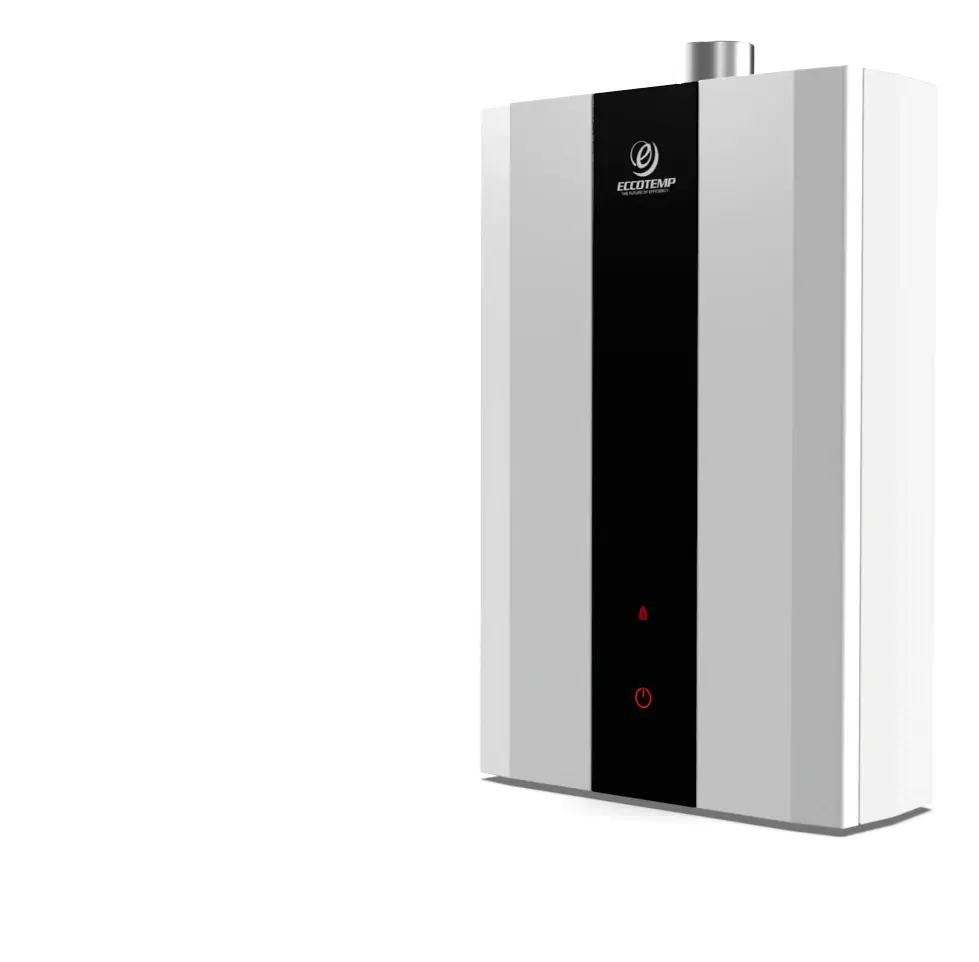
In an era where energy efficiency is paramount, upgrading to a smart water heater presents an opportunity to significantly reduce energy consumption while enhancing home automation. Traditional water heaters, while reliable, often lead to unnecessary energy expenditure due to their continuous operation. A smart water heater, on the other hand, offers not only energy savings but also greater control and convenience for homeowners.
The Benefits of Smart Water Heaters
Smart water heaters leverage advanced technology to optimize energy usage and improve user experience. Here are some key benefits:
- Energy Efficiency: These devices are designed to heat water only when needed, substantially cutting down on energy waste.
- Remote Access: Control your water heater’s settings remotely via smartphone applications, allowing for adjustments on-the-go.
- Usage Monitoring: Gain insights into your water and energy usage patterns, helping you make informed decisions about consumption.
- Enhanced Safety: Smart water heaters often come equipped with features that alert you to potential issues such as leaks or malfunctions.
How Smart Water Heaters Work
Smart water heaters function through a combination of sensors, connectivity, and data analytics. By integrating with home networks, these devices offer seamless operation and real-time adjustments:
- Sensors: Monitor temperature, water flow, and energy usage, ensuring optimal performance.
- Connectivity: Utilize Wi-Fi or Bluetooth to connect with apps or smart home systems.
- Analytics: Analyze patterns to optimize heating cycles and reduce unnecessary energy consumption.
Integrating with Smart Home Systems
For homeowners already utilizing smart home technology, a smart water heater can be a transformative addition. These water heaters can seamlessly integrate with existing systems, providing synchronized operation with other smart devices.
- Set schedules that align with your daily routine, ensuring hot water is ready when you are.
- Utilize voice control through platforms like Amazon Alexa or Google Assistant for hands-free operation.
Financial and Environmental Impact
By upgrading to a smart water heater, homeowners can realize significant financial savings and contribute to environmental sustainability:
- Cost Savings: The initial investment in a smart water heater is often offset by the reduction in energy bills, typically within a few years.
- Environmental Benefits: Reducing energy consumption lowers your carbon footprint, contributing to a more sustainable environment.
Choosing the Right Smart Water Heater
When selecting a smart water heater, consider the following factors:
- Size and Capacity: Ensure the heater meets the hot water demands of your household.
- Compatibility: Check compatibility with existing plumbing and smart home systems.
- Features: Look for features such as leak detection, vacation mode, and energy usage reports.
By considering these factors, homeowners can choose a smart water heater that aligns with their specific needs and maximizes benefits.
Conclusion
Upgrading to a smart water heater is a practical step towards achieving greater energy efficiency and control over home utilities. With advanced features designed to optimize performance and reduce waste, these devices represent a forward-thinking investment in both personal comfort and environmental responsibility. For those looking to modernize their homes, a smart water heater is an invaluable addition that offers long-term advantages.