
The human body is an intricate network of interconnected systems, and one of the most fascinating and complex interactions is between the brain and the gut. Often referred to as the brain gut microbiome axis, this communication network plays a crucial role in regulating not only digestive health but also emotional well-being, sleep quality, and overall physiological balance. Recent research highlights how stress can disrupt this delicate axis, leading to a cascade of health consequences that affect daily life. Understanding this connection is essential for maintaining both mental and physical health.
What Is the Brain Gut Microbiome Axis?
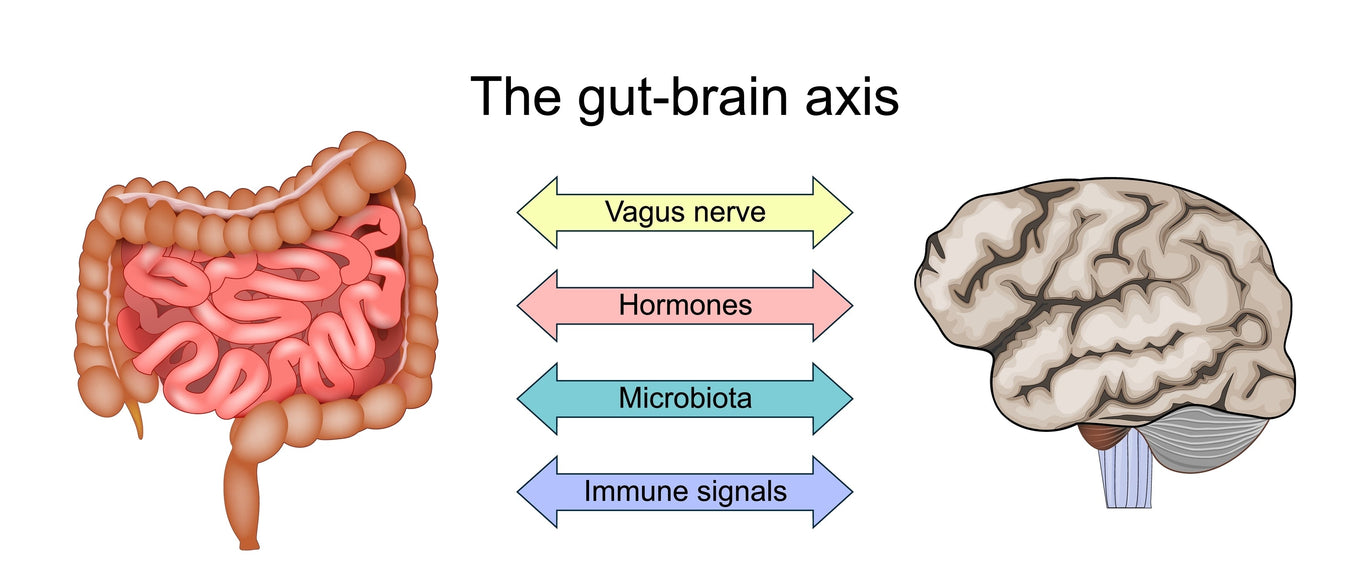
The brain gut microbiome axis refers to the bidirectional communication system between the central nervous system (CNS), which includes the brain, and the gastrointestinal tract, which houses trillions of microorganisms collectively known as the gut microbiome. This axis operates through multiple pathways:
- Neural pathways: The vagus nerve serves as a direct communication channel between the gut and the brain, transmitting information about the state of the gastrointestinal tract.
- Hormonal pathways: Gut bacteria influence the production of hormones and neurotransmitters such as serotonin, dopamine, and gamma-aminobutyric acid (GABA), which affect mood, stress response, and sleep.
- Immune pathways: The gut microbiome interacts with the immune system, affecting inflammation levels throughout the body, which can influence brain function and stress resilience.
This multidirectional communication means that changes in the gut microbiome can impact brain function, while psychological stress and emotional states can alter the composition and activity of gut microbes.
How Stress Affects the Brain Gut Microbiome Axis
Stress is an inevitable part of life, but chronic stress can profoundly disrupt the brain gut microbiome axis. When the body experiences stress, it activates the hypothalamic-pituitary-adrenal (HPA) axis, triggering the release of stress hormones like cortisol. Elevated cortisol levels have several effects on the gut:
-
Altered gut motility: Stress can speed up or slow down digestion, leading to symptoms such as diarrhea, constipation, and bloating.
-
Increased gut permeability: Chronic stress may compromise the gut barrier, allowing harmful bacteria and toxins to enter the bloodstream, a phenomenon often referred to as “leaky gut.”
-
Microbiome imbalance: Stress changes the composition of gut bacteria, reducing beneficial microbes such as Akkermansia and Lactobacillus, while allowing harmful bacteria to proliferate. This imbalance is known as dysbiosis.
-
Inflammation: Dysbiosis and increased gut permeability trigger immune responses and systemic inflammation, which can affect brain function and mood.
The result is a feedback loop: stress disrupts the gut microbiome, and this disruption, in turn, exacerbates stress, anxiety, and mood disorders. Recognizing this cycle is critical for developing strategies to support both mental and digestive health.
Impact on Sleep Quality
One of the lesser-known consequences of an imbalanced brain gut microbiome axis is disrupted sleep. Sleep is regulated by circadian rhythms and influenced by neurotransmitters produced by gut bacteria. For example:
- Certain gut microbes produce metabolites that promote the release of serotonin, which is later converted into melatonin, the hormone that regulates sleep.
- Dysbiosis reduces these beneficial metabolites, leading to difficulties falling asleep and staying asleep.
- Stress-related gut inflammation can interfere with normal sleep architecture, decreasing restorative deep sleep stages.
Research shows that individuals with gut microbiome imbalances are more likely to experience insomnia, restless sleep, and overall poor sleep quality. Conversely, improving gut health has been linked to better sleep patterns and more consistent circadian rhythm alignment.
The Role of Beneficial Gut Bacteria
Beneficial gut bacteria play a central role in maintaining a healthy brain gut microbiome axis. Key species such as Akkermansia muciniphila, Lactobacillus, and Bifidobacterium contribute to:
- Strengthening the gut barrier: These microbes help maintain the integrity of the gut lining, preventing the leakage of harmful substances.
- Producing neurotransmitters: They produce GABA, serotonin precursors, and other neuroactive compounds that influence mood, stress response, and sleep.
- Reducing inflammation: Beneficial bacteria modulate the immune system to prevent chronic inflammation that can affect the brain and other organs.
- Supporting digestion: They aid in the breakdown of complex carbohydrates and fibers, producing short-chain fatty acids (SCFAs) like butyrate, which have anti-inflammatory and neuroprotective effects.
Maintaining a diverse and balanced microbiome is essential for a resilient brain gut microbiome axis. Diet, lifestyle, and targeted supplements can all influence this balance.
The Vicious Cycle of Dysbiosis and Stress
When the brain gut microbiome axis is disrupted, a vicious cycle can develop:
- Stress disrupts the gut microbiome.
- Dysbiosis and inflammation negatively affect brain function.
- Impaired brain function increases susceptibility to anxiety, mood disorders, and sleep disturbances.
- Poor sleep and heightened stress further worsen gut health.
Breaking this cycle is critical for long-term wellness. Interventions that restore microbiome balance, reduce inflammation, and promote healthy sleep can significantly improve overall health outcomes.
Future Research and Implications
The emerging field of brain gut microbiome research is uncovering new insights into how mental health, digestive health, and sleep are interconnected. Studies are exploring:
- Microbiome-targeted therapies for anxiety, depression, and stress-related disorders.
- Personalized nutrition plans based on gut microbiome composition.
- Novel probiotics that specifically support neurotransmitter production and circadian rhythm regulation.
These advancements highlight the potential of using the brain gut microbiome axis as a therapeutic target for improving both mental and physical health.
Conclusion
The brain gut microbiome axis is a vital communication network linking the brain and gut, influencing mood, stress response, digestion, and sleep. Chronic stress, poor diet, and lifestyle factors can disrupt this axis, leading to dysbiosis, inflammation, and sleep disturbances. Supporting gut health through nutrition, stress management, proper sleep, and targeted probiotics is essential for maintaining a balanced brain gut microbiome axis. By understanding and nurturing this connection, individuals can improve their mental resilience, digestive function, and overall quality of life.