
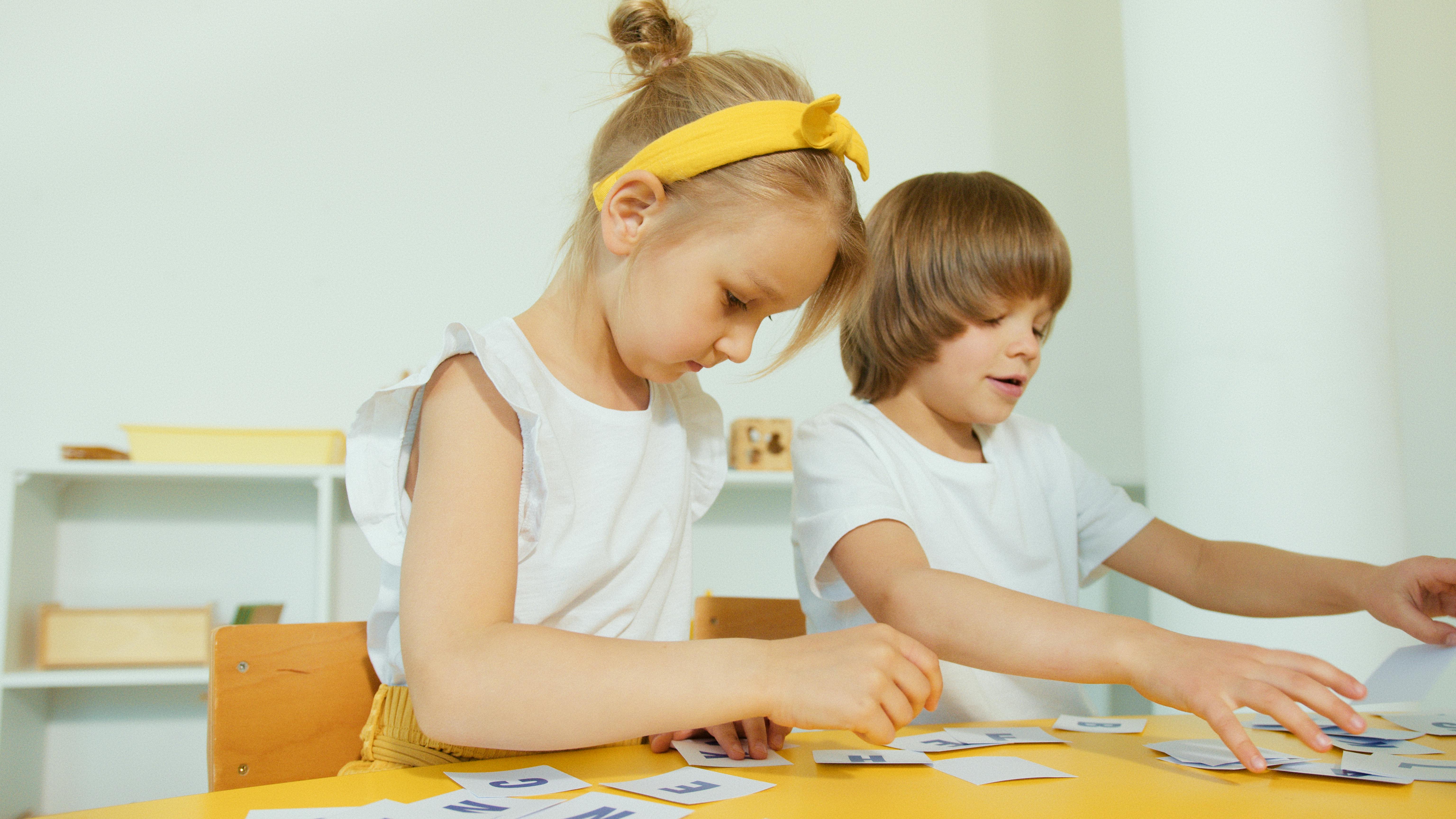
The Montessori educational method has long been associated with early childhood education, emphasizing self-directed activity, hands-on learning, and collaborative play. However, its principles are equally applicable to middle school education, where students are at a crucial stage of developing independence, critical thinking, and social skills. This article explores how the Montessori approach can be effectively integrated into middle school education, providing students with a unique and fulfilling learning experience.
Understanding the Montessori Method
The Montessori method, developed by Dr. Maria Montessori in the early 20th century, is based on the belief that children are naturally eager for knowledge and capable of initiating learning in a supportive, thoughtfully prepared environment. Here are some key elements of the Montessori approach:
- Student-centered learning: Students have a choice in their learning activities, encouraging them to pursue their interests and talents.
- Mixed-age classrooms: This fosters peer learning, where students can learn from and teach each other.
- Hands-on learning: Emphasis is placed on experiential learning, allowing students to engage with materials directly.
- Teacher as a guide: Educators facilitate rather than direct, helping students navigate their individual learning paths.
Application in Middle School
Encouraging Independence
Middle school students are at a pivotal point in their education, seeking independence and self-expression. The Montessori approach promotes independence by allowing students to make decisions about their learning paths. This autonomy is crucial for developing self-discipline and responsibility. Read more about this topic to understand how these principles are applied in a middle school setting.
Developing Critical Thinking
Critical thinking is an essential skill that the Montessori method nurtures through problem-solving and inquiry-based learning. Students engage in projects that require them to research, analyze, and present their findings, fostering a deeper understanding of subjects. Learn more in this detailed guide about how project-based learning is incorporated into the curriculum.
Social Development
The social development of middle school students is another area where the Montessori approach excels. Mixed-age classrooms and collaborative projects encourage students to work together, developing communication and leadership skills. This setup also helps to create a sense of community and belonging among students. Explore further insights here on how social skills are cultivated in a Montessori environment.
Benefits of Montessori in Middle School Education
The integration of Montessori principles in middle school education offers numerous benefits:
- Enhanced Engagement: Students are more engaged when they have the autonomy to explore subjects that interest them.
- Improved Academic Performance: Personalized learning plans cater to individual strengths, helping students excel academically.
- Better Preparedness for Future Challenges: Students develop critical life skills such as time management, problem-solving, and self-assessment.
- Holistic Development: Montessori education focuses on the overall development of students, including emotional and social aspects.
Find additional information here about the comprehensive benefits of adopting a Montessori approach in middle school education.
Challenges and Considerations
While the Montessori approach holds great promise for middle school education, it is not without its challenges. Implementing this method requires a shift in traditional teaching mindsets and training for educators to effectively guide students without direct instruction. Additionally, the need for specially designed materials and environments can be a consideration for schools.
Despite these challenges, the potential benefits of a Montessori middle school education can outweigh the difficulties, leading to well-rounded individuals prepared for high school and beyond.
In conclusion, the Montessori approach presents a valuable alternative to traditional middle school education, emphasizing independence, critical thinking, and social development. By creating an environment that fosters these skills, students are better equipped to face the challenges of the future with confidence and competence.