
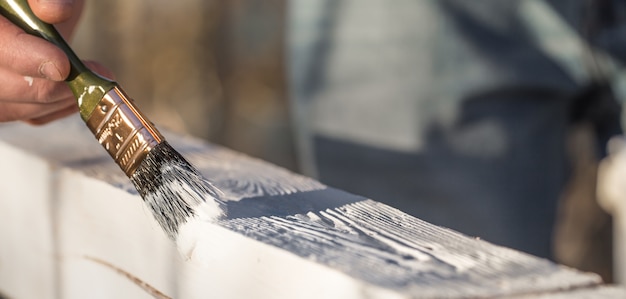
When it comes to enhancing the aesthetic appeal of concrete surfaces, concrete staining has emerged as a popular choice among homeowners and business owners alike. This versatile technique allows for a wide range of design possibilities, from subtle, natural tones to bold, vibrant hues. However, achieving a flawless finish can be a daunting task, especially for those without prior experience. Fortunately, with the right guidance and expertise, anyone can achieve professional-looking results.
Understanding the Concrete Staining Process
Concrete staining involves applying a chemical-based solution to the surface, which reacts with the concrete to produce a uniform color. This process can be tailored to suit individual preferences, with options for different colors, patterns, and finishes. To ensure optimal results, it is essential to follow a well-planned approach, taking into account factors such as surface preparation, solution selection, and application techniques.
Preparation is Key
Before embarking on a concrete staining project, it is crucial to prepare the surface properly. This involves cleaning the area thoroughly, removing any dirt, grime, or old finishes that may interfere with the staining process. Additionally, any cracks or damage should be addressed to prevent uneven color distribution. For expert guidance on surface preparation, Discover expert strategies here.
- Thoroughly clean the surface to ensure optimal staining results.
- Remove any old finishes or coatings to prevent interference.
- Address any cracks or damage to prevent uneven color distribution.
Choosing the Right Stain
With a wide range of stain options available, selecting the right product can be a daunting task. Acrylic-based stains, for example, offer excellent durability and color retention, while water-based stains provide a more subtle, natural appearance. When choosing a stain, consider factors such as surface type, desired color, and desired finish. To explore advanced guides and tips on stain selection, visit Learn about our tailored solutions.
- A acrylic-based stains for excellent durability and color retention.
- Water-based stains for a more subtle, natural appearance.
- Consider surface type, desired color, and desired finish when selecting a stain.
Application Techniques
Proper application techniques are crucial to achieving a flawless finish. This involves applying the stain evenly, working in sections to prevent color variation, and allowing the solution to react with the concrete before rinsing. To ensure optimal results, follow the manufacturer’s instructions and take necessary precautions to avoid accidents. For expert guidance on application techniques, Find out more about this approach.
- Apply the stain evenly, working in sections to prevent color variation.
- Allow the solution to react with the concrete before rinsing.
- Follow the manufacturer’s instructions and take necessary precautions to avoid accidents.
Final Touches
Once the stain has been applied and allowed to dry, it’s time to add the final touches. This may involve adding a sealant to protect the surface from damage and fading, or applying a topcoat to enhance the color and finish. To explore customer reviews and see what others are saying about us, Check out customer reviews here.
Conclusion
Concrete staining can be a complex process, but with the right guidance and expertise, anyone can achieve professional-looking results. By following a well-planned approach, selecting the right stain, and applying proper techniques, you can enhance the aesthetic appeal of your concrete surfaces and enjoy a flawless finish. Remember to always follow safety precautions and manufacturer’s instructions to ensure optimal results. Happy staining!