
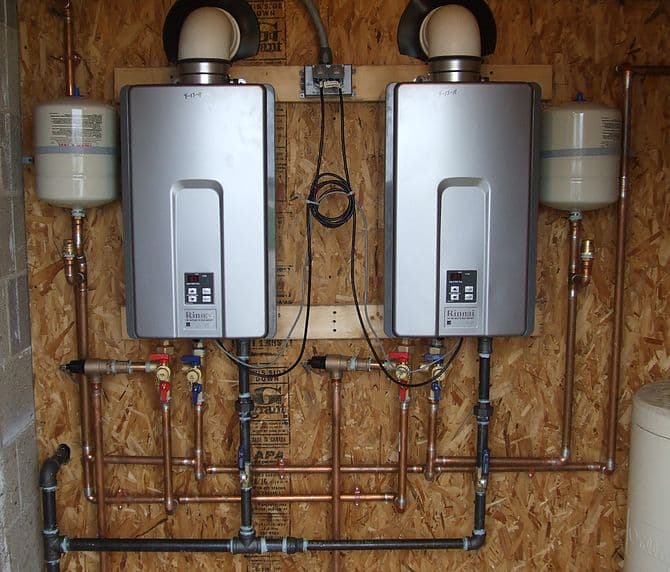
When it comes to water heaters, homeowners have two primary options: traditional systems and tankless water heaters. While traditional systems have been around for decades, tankless water heaters have gained popularity in recent years due to their energy efficiency and space-saving design. In this article, we will explore the key differences between these two types of water heaters and help you decide which one is best for your home.
Tankless Water Heaters vs Traditional Systems
Traditional water heaters store hot water in a tank, which can range in size from 30 to 80 gallons. This tank is constantly heated, even when not in use, which can lead to energy waste and higher utility bills. On the other hand, tankless water heaters heat water only as needed, making them a more energy-efficient option.
One of the main advantages of tankless water heaters is their ability to provide continuous hot water. Unlike traditional systems, which can run out of hot water during peak usage times, tankless systems can supply hot water as long as the household needs it. This makes them ideal for large families or households with multiple bathrooms.
Benefits of Tankless Water Heaters
There are several benefits to installing a tankless water heater in your home. Some of the most significant advantages include:
- Energy Efficiency: Tankless water heaters use significantly less energy than traditional systems, which can lead to lower utility bills and a reduced carbon footprint.
- Space-Saving Design: Tankless water heaters are compact and can be installed on a wall, making them ideal for homes with limited space.
- Long-Lasting: Tankless water heaters typically last longer than traditional systems, with a lifespan of 15-20 years compared to 8-12 years.
- Continuous Hot Water: Tankless water heaters provide continuous hot water, eliminating the risk of running out during peak usage times.
Installation and Maintenance
While tankless water heaters offer many benefits, their installation and maintenance can be more complex than traditional systems. It’s essential to hire a professional plumber to install a tankless water heater, as improper installation can lead to reduced performance and even safety hazards.
Once installed, tankless water heaters require regular maintenance to ensure optimal performance. This includes cleaning the unit, checking the temperature and pressure relief valve, and replacing worn-out parts.
Choosing the Right Tankless Water Heater
With so many tankless water heaters on the market, choosing the right one can be overwhelming. To make an informed decision, consider the following factors:
- Flow Rate: Choose a tankless water heater with a flow rate that meets your household’s needs.
- Energy Efficiency: Look for a tankless water heater with a high Energy Factor (EF) rating, which indicates its energy efficiency.
- Brand Reputation: Research the manufacturer’s reputation and read reviews from other customers to ensure you’re getting a high-quality product.
- Warranty: Check the warranty offered by the manufacturer, as a longer warranty can provide peace of mind and protect your investment.
When shopping for a tankless water heater, consider the tankless water heater from Eccotemp, a leading manufacturer in the industry. Their products offer exceptional energy efficiency, long-lasting performance, and a comprehensive warranty.
In conclusion, tankless water heaters offer numerous benefits over traditional systems, including energy efficiency, space-saving design, and long-lasting performance. While their installation and maintenance can be more complex, the advantages they provide make them a worthwhile investment for homeowners. By choosing the right tankless water heater and following proper installation and maintenance procedures, you can enjoy the benefits of continuous hot water and reduced energy bills for years to come.