
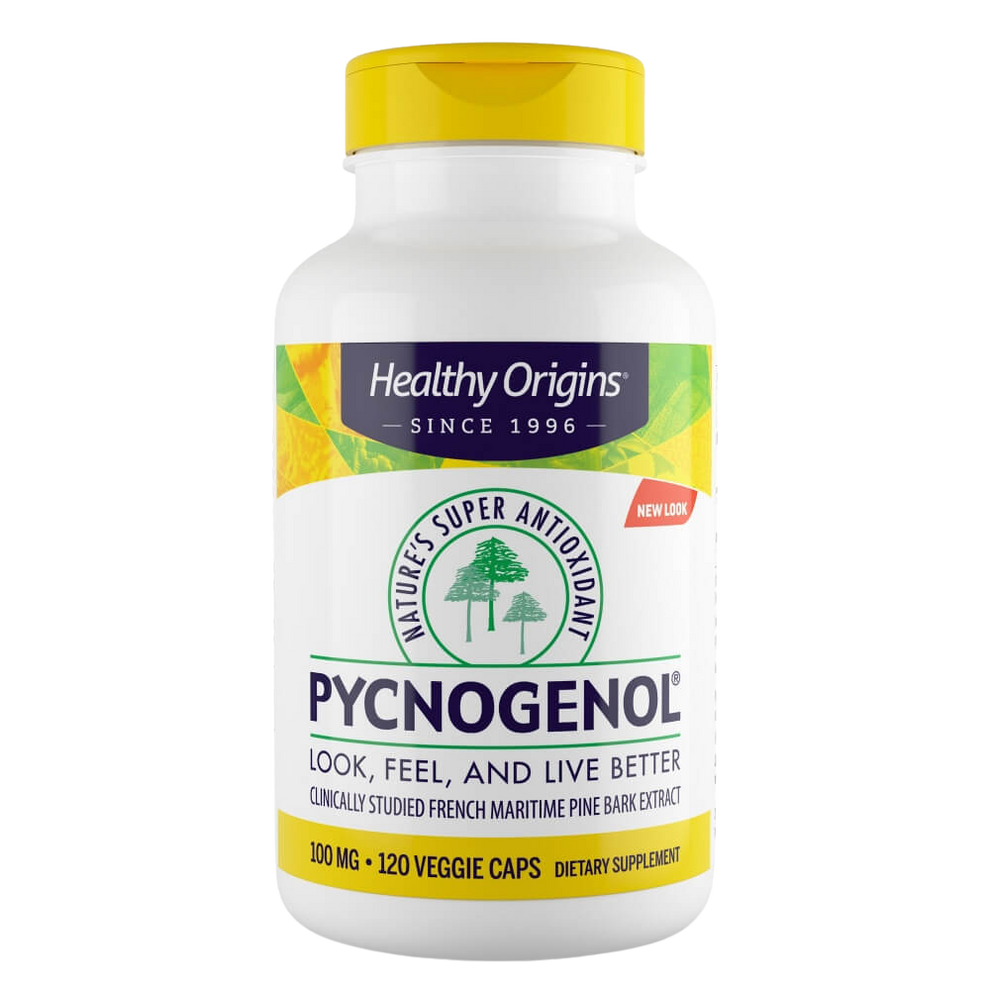
Antioxidant supplementation has moved from niche health stores to mainstream pharmacies, and consumers are now faced with a bewildering array of options. Among the most discussed is Pycnogenol, a patented extract derived from French maritime pine bark. Its reputation for supporting vascular health, skin elasticity, and free-radical defence has sparked interest across the UK market. However, the decision to choose Pycnogenol over other antioxidant blends, such as vitamin C complexes, co-enzyme Q10, or mixed polyphenol formulas, requires a clear understanding of efficacy, dosage, sourcing, and cost. This guide breaks down the critical factors to consider, helping shoppers make an evidence-based choice that aligns with their health goals.
What Sets Pycnogenol Apart?
Scientific backing
- Over 200 peer-reviewed studies have examined Pycnogenol’s impact on oxidative stress, endothelial function, and skin health.
- Key trials highlight improvements in blood flow and reduced oxidative biomarkers at doses as low as 30″?mg/day.
- Unlike many generic antioxidant blends, the active constituents (proanthocyanidins, phenolic acids, and flavonoids) are standardized to a minimum of 65″?% pro-anthocyanidins, ensuring consistent potency.
Bioavailability
- The pine bark matrix is naturally water-soluble, facilitating rapid absorption in the small intestine.
- Metabolites are detectable in plasma within 30-45 minutes, offering quicker systemic effects compared with some plant-based extracts that require extensive gut fermentation.
Comparing Dosage Forms and Strengths
When shopping for Pycnogenol in the UK, the most common strengths are 30″?mg, 50″?mg, and 100″?mg per capsule. The pycnogenol 100mg uk formulation is typically recommended for individuals targeting cardiovascular support or intensive skin rejuvenation, while lower doses may suffice for general antioxidant protection.
Other antioxidant supplements
- Vitamin C & E complexes: Provide broad-spectrum free-radical scavenging but often lack the targeted vascular benefits seen with Pycnogenol.
- Co-enzyme Q10 (Ubiquinol): Excellent for mitochondrial health, yet requires higher daily doses (100-200″?mg) to achieve comparable plasma levels.
- Mixed polyphenol blends (grape seed, green tea, curcumin): Offer synergistic effects but suffer from variable standardisation and potential interactions.
Key Factors to Evaluate Before Purchasing
1. Purity and certification
- Look for GMP-certified facilities and third-party testing results.
- Products marketed as “pycnogenol supplement” should display batch-specific certificates of analysis.
2. Source of raw material
- Authentic French maritime pine (Pinus pinaster) harvested from sustainable forests ensures the highest phytochemical profile.
- Some lower-priced alternatives source pine bark from non-European regions, which may yield a different pro-anthocyanidin composition.
3. Price per active milligram
- Calculate cost per mg of standardized extract rather than per capsule.
- Bulk purchasing (e.g., 60-capsule bottles) often reduces the price per 100″?mg dose.
4. Formulation additives
- Check for unnecessary fillers, artificial colours, or allergens.
- Capsules made from hypoallergenic gelatin or plant-based cellulose are preferable for sensitive users.
How to Integrate Pycnogenol Into a Daily Routine
- Take the capsule with a meal containing healthy fats to enhance absorption of fat-soluble antioxidants that work synergistically.
- For cardiovascular focus, a single 100″?mg dose in the morning is common; for skin health, splitting 50″?mg doses between breakfast and dinner may provide steadier plasma levels.
- Combine with lifestyle measures, balanced diet, regular exercise, and adequate sleep, to maximise antioxidant defence.
Where to Buy Reliable Pycnogenol in the UK
Reputable online retailers that specialise in nutraceuticals typically list the full range of strengths and provide transparent lab reports. The pycnogenol uk storefront, for example, offers a clear breakdown of each product’s dosage, sourcing details, and customer reviews, making it easier to compare against other antioxidant options.
Final Considerations
Choosing between Pycnogenol and alternative antioxidant supplements hinges on three core questions:
- What specific health outcome am I targeting? If vascular support or skin elasticity is the priority, Pycnogenol’s unique pro-anthocyanidin profile offers a distinct advantage.
- Do I need a standardized, clinically validated extract? The extensive research base behind the pycnogenol supplement provides confidence that the product delivers the promised bioactive dose.
- Is the price justified by potency and quality? Evaluating cost per milligram and confirming third-party testing will ensure value for money.
By weighing these factors, shoppers can make an informed decision that aligns with both their health objectives and budget. Whether opting for the high-potency 100″?mg tablets or exploring complementary antioxidants, a thoughtful approach will deliver the most benefit from daily supplementation.