
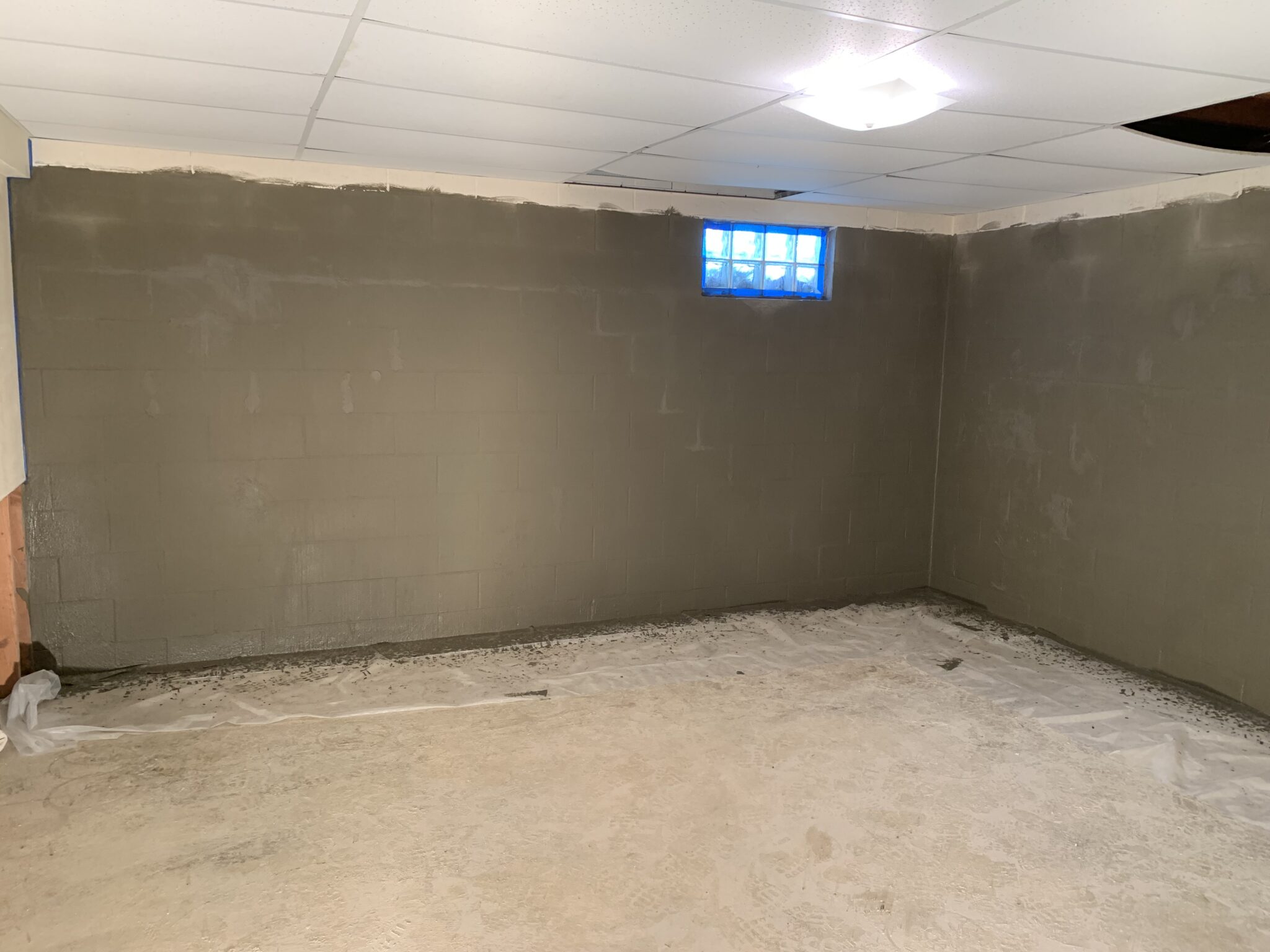
Foundations are the unseen backbone of any residence, bearing the weight of the structure and protecting it from the forces of nature. Over time, a variety of environmental and structural factors can compromise this critical component, leading to costly repairs and diminished property value. Understanding the primary contributors to foundation damage empowers homeowners to recognize early warning signs and take corrective action before minor issues become major problems. For deeper insight into mitigation techniques, Discover expert strategies here.
Moisture-Related Issues
Excess water is one of the most common culprits behind foundation distress. When soil around the footing becomes saturated, it expands and exerts pressure on the concrete, while prolonged dryness can cause shrinkage and cracking.
Poor Drainage
- Improperly sloped yards direct runoff toward the foundation.
- Clogged or damaged gutters allow rainwater to pool near the footings.
- Insufficient French drains or surface drains fail to divert groundwater.
Groundwater Intrusion
- High water tables elevate hydrostatic pressure against basement walls.
- Leaking underground utilities introduce moisture into the surrounding soil.
- Seasonal fluctuations cause repeated wet-dry cycles that weaken the concrete matrix.
Addressing drainage concerns early can significantly reduce the risk of foundation movement. Detailed guidance on designing effective drainage systems can be Learn about our tailored solutions.
Soil Movement
The type and behavior of the soil beneath a home play a pivotal role in foundation stability. Certain soils expand, contract, or settle unevenly, creating forces that the foundation must resist.
Expansive Clay Soils
- Clay particles swell when saturated, pushing against the foundation walls.
- During dry periods, the same clay contracts, leaving voids that lead to settlement.
- Regions with high clay content often experience seasonal foundation movement.
Soil Settlement
- Improper compaction during construction leaves voids that collapse over time.
- Removal of supporting earth for landscaping or excavation creates uneven load distribution.
- Heavy loads from nearby structures or equipment can compress underlying soil layers.
For homeowners dealing with expansive soils, specialized under-slab moisture control systems are recommended. More information is available when you Explore advanced guides and tips.
Structural Loads and Construction Errors
Even with optimal soil conditions, the way a home is built and the loads it carries can induce foundation stress.
Improper Construction Practices
- Inadequate reinforcement within the concrete slab reduces its ability to distribute loads.
- Incorrect footing dimensions fail to support the weight of the structure.
- Use of low-quality concrete mixes accelerates cracking and deterioration.
Tree Roots and External Pressures
- Large trees near the foundation can exert upward pressure as roots expand.
- Root systems may also draw moisture from the surrounding soil, causing localized drying and settlement.
- Construction of heavy equipment or storage on the ground near the foundation adds point loads.
Understanding these construction-related risks helps in planning renovations or additions. To see how professional assessments can identify hidden weaknesses, Find out more about this approach.
Temperature Fluctuations
Seasonal temperature changes affect both the soil and the concrete itself. Freeze-thaw cycles, in particular, can be damaging.
- Water that seeps into micro-cracks freezes, expanding and widening the fissures.
- Repeated cycles weaken the concrete’s tensile strength.
- Thermal expansion and contraction of the soil create differential movement beneath the foundation.
Mitigating these effects often involves installing insulation blankets or vapor barriers beneath slabs, a technique highlighted in many professional resources. For a comprehensive look at temperature-related solutions, Explore advanced guides and tips.
Preventive Measures and Early Detection
Proactive maintenance is the most cost-effective strategy for preserving foundation integrity. Regular inspections and timely interventions can halt progressive damage.
- Schedule annual visual checks for cracks, moisture stains, and uneven flooring.
- Maintain gutters and downspouts to ensure water is directed away from the house.
- Install perimeter drainage systems in areas prone to high groundwater.
- Use moisture-resistant landscaping practices, such as grading away from the foundation.
- Consult structural engineers for foundation assessments before major renovations.
When a problem is suspected, professional evaluation provides a clear path forward. Detailed case studies and solution outlines can be accessed by visiting the expert portal at Discover expert strategies here.
By recognizing the common causes of foundation damage, moisture intrusion, soil movement, structural loads, and temperature effects, homeowners can take informed steps to safeguard their property. Leveraging reputable resources and expert guidance ensures that any emerging issues are addressed with precision, preserving the longevity and safety of the home for years to come.