
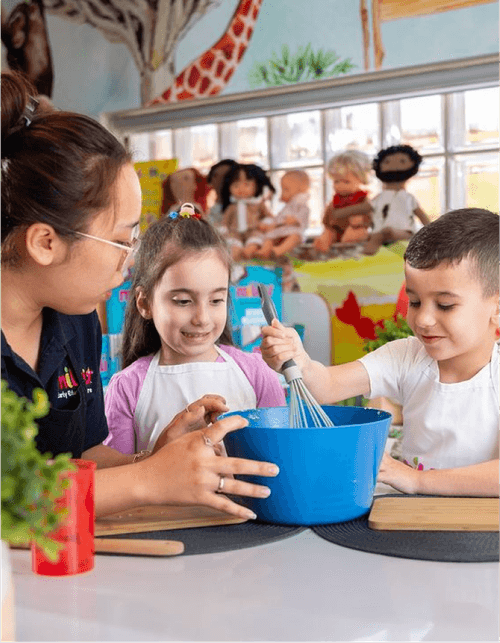
Early childhood education is a pivotal phase in a child’s development that lays the foundation for lifelong learning and success. It is during this period that essential cognitive, social, and emotional skills are cultivated. The importance of providing high-quality educational experiences to young children cannot be overstated. Implementing effective strategies in early childhood education can significantly enhance a child’s developmental outcomes, preparing them for future academic and personal success. This article explores key strategies for optimizing early childhood education to promote holistic development and learning.
Understanding the Importance of Early Childhood Education
The early years of a child’s life are crucial for setting the groundwork for future learning and development. High-quality early childhood education programs have been shown to improve children’s cognitive abilities, social skills, and emotional well-being. They provide a nurturing environment where children can explore, play, and learn at their own pace.
Key Strategies for Enhancing Early Childhood Education
1. Curriculum and Learning Environment
A well-structured curriculum and a conducive learning environment are critical components of effective early childhood education. Key elements include:
- Integrating play-based learning with structured educational activities.
- Creating a safe and supportive environment that encourages exploration and curiosity.
- Incorporating diverse learning materials that cater to different learning styles.
2. Professional Development for Educators
Ensuring educators are well-trained and equipped with the latest teaching techniques is vital for delivering high-quality education. Important strategies include:
- Ongoing professional development and training workshops.
- Encouraging collaboration and sharing of best practices among educators.
- Utilizing feedback from peers and supervisors to enhance teaching methods.
3. Parental Involvement and Support
Engaging parents in their child’s educational journey enriches the learning experience and strengthens the home-school connection. Effective methods for parental involvement include:
- Organizing regular parent-teacher meetings to discuss the child’s progress.
- Providing resources and guidance for supporting learning at home.
- Creating opportunities for parents to participate in classroom activities.
Measuring Success in Early Childhood Education
Assessing the effectiveness of early childhood education programs is essential to ensure they meet developmental goals. Key measures include:
- Tracking children’s progress through regular assessments and observations.
- Gathering feedback from parents, educators, and the children themselves.
- Adapting programs based on data-driven insights to meet the evolving needs of children.
Conclusion
The significance of early childhood education in shaping a child’s future cannot be underestimated. By implementing a comprehensive approach that includes a robust curriculum, professional development for educators, and active parental involvement, it is possible to foster a nurturing environment that promotes holistic development. Continual assessment and adaptation of educational strategies will ensure that every child has the opportunity to thrive and succeed in their formative years and beyond.