
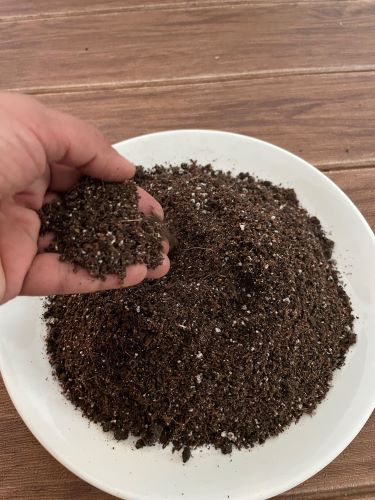
Indoor gardening has soared in popularity, making the quest for the perfect growing medium more pertinent than ever. While traditional soil has been the go-to for generations, its drawbacks in indoor settings have prompted the exploration of innovative alternatives. These alternatives not only cater to the aesthetic and functional demands of plant enthusiasts but also enhance plant health and growth. As the gardening industry evolves, understanding these soil alternatives for indoor plants becomes crucial for both novice and seasoned gardeners alike.
Why Choose Soil Alternatives?
Traditional soil, while effective outdoors, poses challenges indoors. These include:
- Heavy weight that can damage delicate pots and overstrain shelves.
- Poor drainage leading to root rot.
- Potential for pest infestations.
Opting for a soilless potting mix can mitigate these issues, offering a lightweight, pest-resistant, and well-draining alternative.
Types of Soil Alternatives
1. Coco Coir
Derived from coconut husks, coco coir is a renewable resource praised for its excellent water retention and aeration properties. It’s pH neutral, making it a versatile option for various plant types.
2. Peat Moss
Peat moss is a staple in many indoor potting mix recipes. It offers:
- High moisture retention.
- Acidity, which is beneficial for acid-loving plants.
However, sustainability concerns due to its slow regeneration rate have led to a search for alternatives.
3. Perlite
A volcanic glass, perlite is heated until it expands, creating a lightweight, porous material that enhances aeration and drainage in potting mixes. It’s a common component in many soilless potting mix formulations.
4. Vermiculite
Vermiculite is similar to perlite but retains more moisture, making it ideal for plants that require consistent moisture levels. It also provides essential minerals like magnesium and calcium.
Advantages of Soilless Mixes
Embracing a soilless medium offers several benefits:
- Enhanced root growth due to improved aeration.
- Reduced risk of soil-borne diseases.
- Customization for specific plant needs.
These advantages make soilless mixes a preferred choice for many indoor gardeners seeking healthier and more vibrant plants.
How to Transition to Soil Alternatives
Transitioning to a soilless medium can be seamless with the right approach:
- Gradually introduce the new medium by mixing it with existing soil.
- Monitor plant responses and adjust watering schedules accordingly.
- Consider the specific needs of your plants when selecting a mix.
By understanding the properties and benefits of each alternative, gardeners can make informed decisions that contribute to a flourishing indoor garden.
Conclusion
The shift towards sustainable and effective plant care solutions underscores the importance of exploring soil alternatives for indoor plants. These alternatives not only align with modern gardening trends but also offer significant benefits in terms of plant health and ease of maintenance. As indoor gardening continues to gain momentum, the adoption of these innovative mediums represents a smart and sustainable choice for plant enthusiasts.