
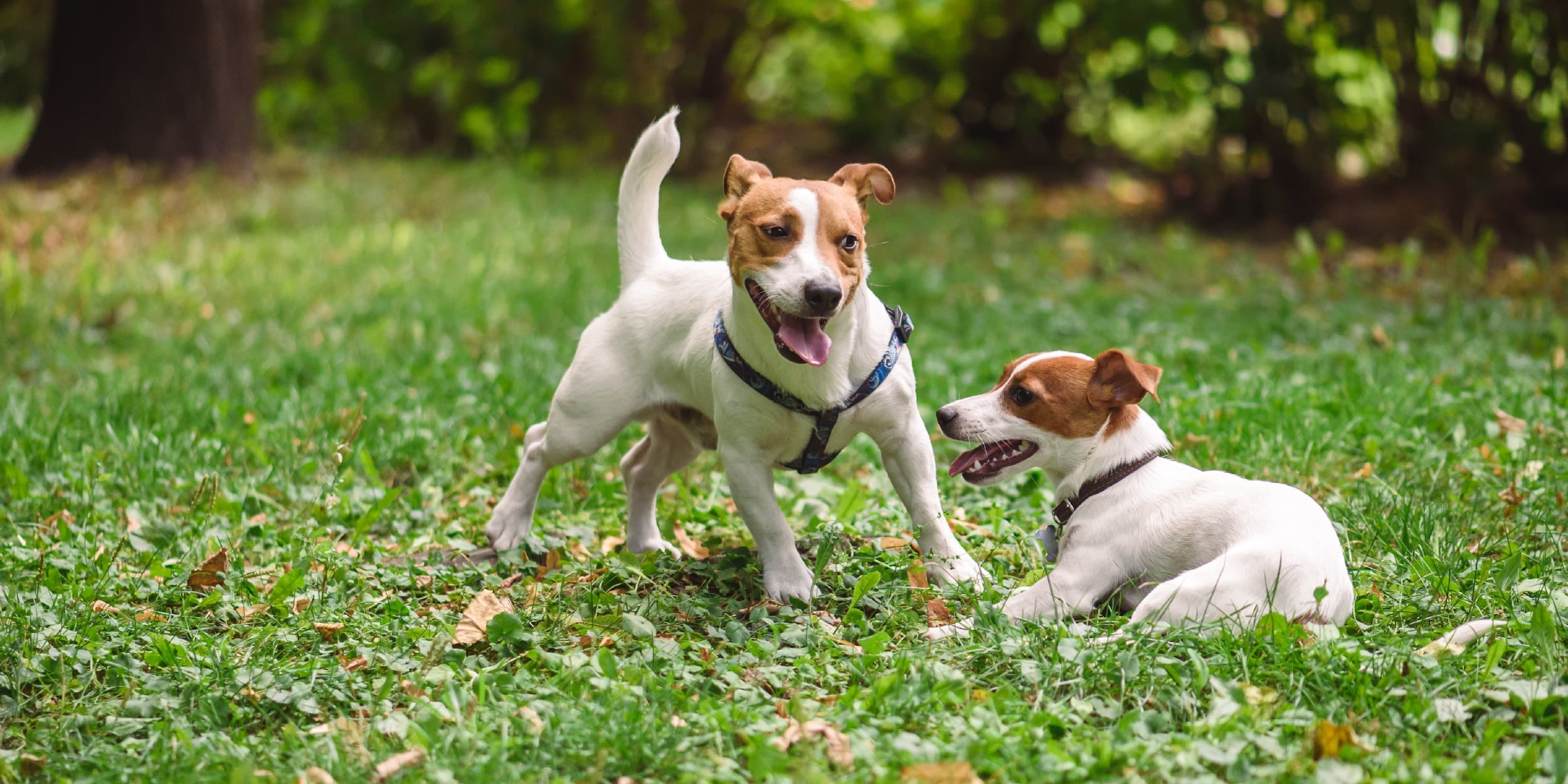
Welcoming a new puppy into your home is an exciting adventure filled with joy and a few challenges. Ensuring your furry friend grows up healthy and happy involves more than just the basics of feeding and training. It’s about creating a nurturing environment that fosters play, socialization, and learning. Understanding the essentials of puppy play care is key to achieving this. This guide provides practical tips and insights to help you make the most of your puppy’s playtime, ensuring they grow into a well-rounded adult dog.
Understanding Puppy Play Needs
Puppies are naturally energetic and curious, with play being a vital component of their development. It helps them learn about the world, develop social skills, and burn off excess energy. Here are some key aspects to consider:
- Socialization: Introduce your puppy to different environments, people, and other animals to help them develop confidence and reduce anxiety in new situations.
- Variety of Toys: Provide a range of toys that cater to different play styles, such as chew toys, fetch toys, and puzzle toys, to keep your puppy engaged.
- Safe Environment: Ensure the play area is free from hazards like sharp objects or toxic plants that could harm your puppy.
Creating a Balanced Play Schedule
Like humans, puppies benefit from a balanced routine that includes both structured play and free time. A well-planned schedule can help manage their energy levels and prevent behavioral issues. Consider the following tips:
- Consistency: Establish regular playtimes each day to create a predictable routine that your puppy can look forward to.
- Short Sessions: Puppies have short attention spans. Multiple brief play sessions throughout the day are more effective than one long session.
- Calm Down Time: After play, allow your puppy some quiet time to unwind and rest, which is crucial for their development.
Interactive Play and Training
Interactive play is a great way to bond with your puppy while also incorporating training elements. It can be both fun and educational:
- Training Games: Use games like hide and seek or fetch to teach commands like “come” or “sit” in a playful setting.
- Positive Reinforcement: Reward your puppy with treats or praise during play when they display good behavior or learn a new trick.
- Engagement: Keep the interaction lively and engaging to hold your puppy’s interest and enthusiasm.
Addressing Common Playtime Challenges
Sometimes, playtime can present challenges such as overexcitement or play biting. Here are strategies to address these issues effectively:
- Overexcitement: If your puppy becomes too excited, take a break to help them calm down before resuming play.
- Play Biting: Redirect your puppy’s biting to appropriate chew toys and use commands to discourage biting.
- Supervision: Always supervise play, especially with young children, to ensure safety for both the puppy and the children.
Exploring Professional Puppy Play Care Services
For pet owners with busy schedules, professional play care services can be a lifesaver. These services provide a structured environment where puppies can interact with other dogs under supervision. It’s an excellent way to ensure your puppy is getting enough exercise and socialization. You can explore more about puppy play care to find the best fit for your needs. Additionally, see what others are saying about us by checking out customer reviews here.
In conclusion, understanding and implementing the principles of puppy play care can significantly enhance your puppy’s quality of life. By providing a balanced mix of socialization, structured play, and training, you are setting the foundation for a happy, healthy, and well-behaved adult dog.