
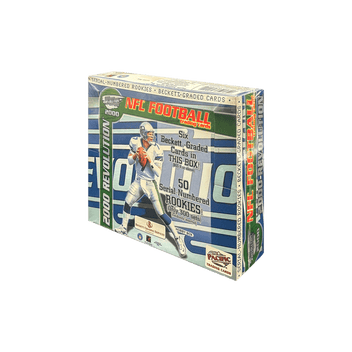
Collecting vintage trading cards and sports memorabilia is more than a hobby; it’s a pursuit of history, artistry, and cultural nostalgia. Whether the goal is to build a legacy collection, invest in rare assets, or simply enjoy the thrill of the hunt, knowing where to source authentic, high-quality items can make all the difference. The market has evolved dramatically, with a blend of traditional brick-and-mortar venues and sophisticated online platforms offering unparalleled access to coveted pieces. This guide outlines the most reliable avenues for finding the best vintage trading cards and sports memorabilia, offering practical tips to help collectors navigate each channel with confidence.
1. Reputable Online Marketplaces
Digital storefronts have become the backbone of the modern collecting ecosystem. They provide extensive inventories, detailed condition reports, and secure transaction processes that protect both buyer and seller.
Key Features to Look For
- Verified Sellers: Platforms that vet their vendors reduce the risk of counterfeit items.
- High-Resolution Imagery: Clear photos of each card or piece allow for accurate assessment of condition.
- Transparent Grading: Listings that include reputable third-party grades (PSA, BGS, SGC) add credibility.
- Secure Payment Options: Services that offer escrow or buyer-protection programs safeguard purchases.
For a curated selection of both modern and classic pieces, an established Trading Card Store offers a user-friendly interface and rigorous authentication standards. Those specifically seeking athletic collectibles will appreciate the depth of inventory found at a dedicated Sports Card Store, which often features rare inserts, autographed cards, and limited-edition runs.
2. Specialized Online Sports Card Stores
While general marketplaces are valuable, niche sites that focus exclusively on sports cards tend to carry deeper expertise and more targeted inventories. These stores frequently host exclusive releases and maintain strong relationships with collectors and dealers worldwide.
- Curated collections that highlight iconic moments in sports history.
- Access to pre-release information and early-bird specials.
- Community forums where collectors share insights and verification tips.
Exploring an Online Sports Card Store can uncover hidden gems such as early 20th-century baseball cards, vintage basketball rookie cards, or limited-run football memorabilia that might not appear on larger platforms.
3. Dedicated Vintage Trading Card Dealers
Specialty dealers who focus on vintage cards bring a wealth of knowledge and often have inventory that isn’t listed online. Their expertise can be especially valuable when evaluating condition, rarity, and provenance.
Benefits of Working with a Dealer
- Personalized assistance and the ability to request specific eras or players.
- First-hand verification of authenticity, sometimes backed by original documentation.
- Opportunities to purchase graded sets or bulk lots at competitive prices.
When searching for truly rare pieces, a visit to a trusted Vintage Trading Cards specialist can provide access to cards that have been preserved in pristine condition for decades.
4. Sports Memorabilia Stores (Physical and Online)
Beyond cards, memorabilia such as game-used equipment, signed jerseys, and championship rings hold significant appeal. Dedicated memorabilia retailers often curate their selections with the same rigor applied to card inventories.
- Authenticity certificates from recognized third parties (e.g., JSA, PSA/DNA).
- Detailed provenance records linking items to specific games or events.
- Varied price points, from affordable autographed photos to high-value game-used artifacts.
A reputable Sports Memorabilia Store typically offers both online browsing and in-person viewing options, allowing collectors to examine items before committing to a purchase.
5. Auction Houses and Live Bidding Events
Auctions remain a cornerstone of high-value collecting, often delivering record-breaking sales for iconic cards and memorabilia. Major auction houses provide comprehensive catalogs, expert appraisals, and transparent bidding processes.
How to Navigate Auctions Effectively
- Research the Catalog: Identify items of interest and note their estimated values.
- Set a Budget: Determine a maximum bid to avoid overpaying in the heat of competition.
- Verify Provenance: Ensure the auction house supplies documentation for authenticity.
- Attend Pre-Auction Viewings: Inspect items in person when possible.
Many auction houses now offer online bidding platforms, merging the excitement of live events with the convenience of digital access. This hybrid model expands the reach for collectors who cannot attend in person.
6. Collector Conventions and Trade Shows
Industry events provide a unique environment for networking, learning, and purchasing. Vendors often showcase exclusive inventory, and attendees can compare items side-by-side.
- Live grading stations for on-the-spot authentication.
- Educational panels covering market trends and preservation techniques.
- Opportunities to meet authors, historians, and seasoned collectors.
Attending a well-organized convention can uncover rare finds that may not be listed online, and the personal connections forged can lead to future trading opportunities.
7. Tips for Ensuring Authenticity and Value
Regardless of the source, maintaining a disciplined approach to verification protects both the investment and the integrity of a collection.
- Use Third-Party Grading Services: PSA, BGS, and SGC remain industry standards.
- Check Serial Numbers and Holograms: Modern reprints often lack these security features.
- Compare Prices Across Platforms: A significant price discrepancy can signal a counterfeit.
- Maintain Documentation: Keep certificates, receipts, and grading reports for resale value.
Conclusion
Finding the best vintage trading cards and sports memorabilia requires a blend of diligent research, trusted sources, and an appreciation for the stories behind each piece. By leveraging reputable online stores, specialist dealers, auction houses, and live events, collectors can build a portfolio that reflects both personal passion and market savvy. Whether the aim is to preserve a piece of sports history or to make a strategic investment, the avenues outlined above provide a solid roadmap for sourcing authentic, high-quality collectibles with confidence.