
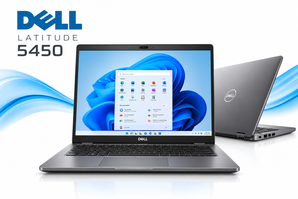
In today’s fast-moving business environment, staying up-to-date with technology is essential, yet the cost of brand-new hardware can strain budgets. Refurbished IT equipment offers a practical alternative, delivering reliable performance at a fraction of the original price. By understanding the benefits, evaluating quality, and implementing smart purchasing strategies, organizations can significantly reduce expenses while maintaining the standards required for daily operations.
Why Choose Refurbished IT Equipment?
Refurbished devices are pre-owned units that have been inspected, repaired, and restored to a like-new condition. The primary advantages include:
- Cost Savings: Prices can be 30-60″?% lower than new equivalents, freeing capital for other initiatives.
- Environmental Impact: Extending the life cycle of electronics reduces e-waste and supports sustainability goals.
- Performance Assurance: Certified refurbishment processes often include rigorous testing to ensure functionality.
- Warranty Coverage: Many refurbished products come with limited warranties, providing a safety net comparable to new items.
For a deeper dive into the financial benefits, Read more about this topic.
Assessing Quality and Reliability
Key Inspection Criteria
When evaluating refurbished equipment, focus on the following factors to guarantee reliability:
- Testing Protocols: Look for vendors that perform comprehensive diagnostics on all components.
- Component Replacement: Critical parts such as hard drives, batteries, or power supplies should be replaced with new or certified equivalents.
- Cosmetic Grading: Understand the grading system (e.g., Grade A – minimal wear, Grade B – moderate wear) to match expectations.
- Documentation: Detailed refurbishment reports provide transparency about the work performed.
To explore the standards used in the refurbishment industry, Learn more in this detailed guide.
Warranty and Support Considerations
Even though refurbished items are not brand-new, many suppliers offer warranties ranging from 90 days to a full year. When selecting a provider, verify:
- Warranty length and what it covers (parts, labor, or both).
- Return policies and the process for filing a claim.
- Availability of technical support for troubleshooting.
Understanding these aspects helps mitigate risk and ensures continuity of operations. Explore further insights here.
Strategic Purchasing Tips
Maximizing savings while maintaining quality requires a thoughtful approach. Consider the following strategies:
- Define Requirements Early: List essential specifications (CPU, RAM, storage) to avoid over-purchasing.
- Bulk Procurement: Ordering multiple units can unlock volume discounts.
- Seasonal Promotions: Many refurbishers run sales during fiscal year-end or holiday periods.
- Cross-Check Prices: Compare listings across reputable marketplaces to ensure competitive rates.
For a practical checklist, Find additional information here.
Integrating Refurbished Equipment into Your IT Infrastructure
Compatibility Checks
Before deployment, verify that the refurbished hardware is compatible with existing software and network environments. Steps include:
- Running a pilot test on a single unit.
- Ensuring driver availability for the operating system in use.
- Confirming that firmware can be updated to the latest version.
Lifecycle Management
Implementing a clear lifecycle plan extends the value of refurbished assets:
- Asset Tagging: Track each device for maintenance and eventual replacement.
- Scheduled Maintenance: Regularly clean and inspect hardware to prevent premature failure.
- End-of-Life Recycling: Partner with certified e-waste recyclers when devices reach the end of their usable life.
Guidance on effective asset management can be found by reading more about this topic.
Conclusion
Refurbished IT equipment presents a viable solution for organizations seeking to balance performance with fiscal responsibility. By scrutinizing quality, leveraging warranties, and employing strategic purchasing practices, businesses can achieve substantial cost reductions without compromising reliability. Embracing refurbished technology not only supports budgetary goals but also contributes to broader sustainability efforts, making it a prudent choice for forward-thinking enterprises.