
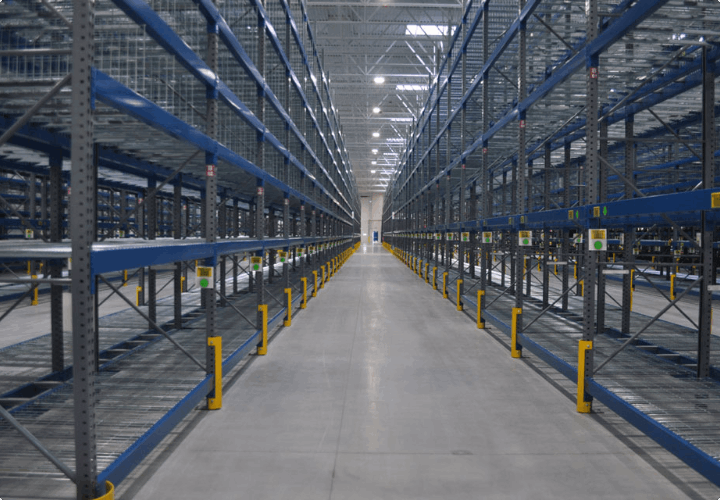
When it comes to optimizing warehouse operations, choosing the right industrial racking systems is crucial for improving efficiency and productivity. With the increasing demand for storage solutions, businesses must carefully consider their options to ensure they select a system that meets their specific needs. This article will provide an overview of the key factors to consider when selecting industrial racking systems, as well as some expert strategies for implementing them effectively.
Assessing Warehouse Requirements
Before selecting a racking system, it’s essential to assess the warehouse’s specific needs and requirements. This includes evaluating the types and quantities of products being stored, as well as the available space and layout of the warehouse. By understanding these factors, businesses can determine the most suitable racking system for their needs. For example, if the warehouse is storing heavy or oversized products, a heavy-duty racking system with reinforced beams and columns may be necessary. Discover expert strategies here to learn more about designing a warehouse layout that maximizes storage capacity.
Types of Industrial Racking Systems
There are several types of industrial racking systems available, each with its own advantages and disadvantages. Some of the most common types include:
- Drive-in racking: ideal for storing large quantities of products in a compact space
- Push-back racking: suitable for storing products that are frequently accessed and retrieved
- Carton flow racking: designed for storing and dispensing products in a first-in, first-out manner
- Shuttle racking: used for storing and retrieving products from a central location
When selecting a racking system, it’s essential to consider the specific needs of the warehouse and the products being stored. By choosing the right system, businesses can improve efficiency, reduce labor costs, and enhance product safety. Learn about our tailored solutions to find out more about how to select the best racking system for your warehouse.
Designing an Efficient Racking System
Designing an efficient racking system requires careful consideration of several factors, including the warehouse layout, product storage needs, and operational requirements. Here are some key considerations to keep in mind:
- Maximizing storage capacity: by using vertical space and optimizing product placement
- Improving product accessibility: by designing a system that minimizes travel time and effort
- Enhancing product safety: by using reinforced beams and columns, and implementing regular maintenance routines
By incorporating these design principles, businesses can create a racking system that meets their specific needs and improves warehouse operations. Explore advanced guides and tips to learn more about designing an efficient racking system.
Implementation and Maintenance
Once a racking system has been selected and designed, it’s essential to implement and maintain it effectively. This includes training staff on proper usage and maintenance procedures, as well as scheduling regular inspections and repairs. By doing so, businesses can ensure the longevity and effectiveness of their racking system, and continue to improve warehouse operations over time.
Choosing the right industrial racking system is a critical decision for any business looking to optimize warehouse operations. By considering the specific needs of the warehouse and selecting a system that meets those needs, businesses can improve efficiency, reduce costs, and enhance product safety. Find out more about this approach by visiting https://naseco.ca/racking-systems/ for expert guidance and support.