
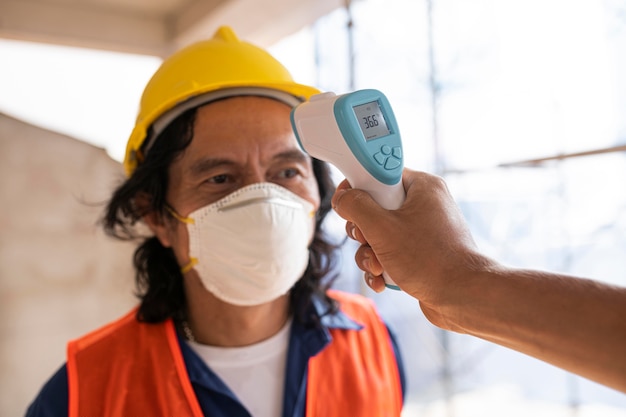
Thermal imaging has become an indispensable tool for home inspectors seeking to pinpoint energy loss, moisture intrusion, and hidden defects. By visualizing temperature variations behind walls, ceilings, and floors, inspectors can provide homeowners with actionable data that directly impacts comfort, utility costs, and the long-term health of a property. This technology not only enhances the thoroughness of an inspection but also empowers owners to make informed decisions about upgrades, repairs, and preventative maintenance.
How Thermal Imaging Works in a Home Inspection
Thermal cameras detect infrared radiation emitted by objects and translate those readings into a color-coded image. Warm areas appear in reds and oranges, while cooler spots show up in blues and purples. In a residential setting, this visual data reveals:
- Air leaks around windows, doors, and penetrations.
- Insulation gaps in attics, walls, and crawl spaces.
- Moisture accumulation behind finishes, which often indicates hidden leaks.
- Electrical hotspots that could lead to fire hazards.
Because temperature differences as small as a few degrees can be captured, even subtle inefficiencies become apparent, allowing for precise recommendations.
Key Benefits for Energy Efficiency
Identifying Air Infiltration
Unsealed gaps are a primary source of heat loss in winter and unwanted heat gain in summer. Thermal imaging quickly highlights these problem areas, enabling targeted sealing that can reduce heating and cooling loads by up to 20% in some homes.
Optimizing Insulation Performance
Insulation that is missing, compressed, or improperly installed creates thermal bridges. By scanning attics and walls, inspectors can map where insulation is lacking and advise on corrective measures such as adding blown-in cellulose or spray foam.
Preventing Moisture-Related Energy Waste
Moisture trapped in building assemblies reduces the R-value of insulation and can lead to mold growth. Thermal imaging spots damp spots that might be invisible to the naked eye, allowing for early remediation before energy performance deteriorates.
Practical Steps Homeowners Can Take After an Inspection
- Seal identified leaks: Apply weatherstripping, caulk, or expanding foam to the locations highlighted by the thermal scan.
- Upgrade insulation: Focus on the areas where the camera showed cold spots, especially in attics and exterior walls.
- Address moisture sources: Repair roof leaks, improve drainage, and ensure proper ventilation in bathrooms and kitchens.
- Schedule follow-up checks: Re-scan after improvements to verify that thermal anomalies have been resolved.
Choosing a Qualified Thermal Imaging Service
Not all thermal inspections are created equal. Professionals should possess certified training in infrared thermography and understand building science to interpret the images accurately. For those interested in a comprehensive approach, Discover expert strategies here provides detailed guidance on what to expect from a high-quality thermal energy inspection.
When reviewing service providers, consider the following criteria:
- Certification from recognized bodies such as ASHRAE or IAPTC.
- Experience with residential properties of similar age and construction type.
- Transparent reporting that includes annotated thermal images and clear recommendations.
Integrating Thermal Imaging Findings with Energy Audits
Thermal imaging is most effective when combined with a full energy audit that includes blower-door testing, duct leakage assessment, and utility bill analysis. The synergy of these methods creates a holistic view of a home’s performance, allowing for prioritized upgrades that deliver the greatest return on investment.
For a deeper dive into how thermal data complements broader energy assessments, Learn about our tailored solutions and explore case studies that illustrate measurable savings.
Customer Feedback and Real-World Results
Homeowners who have implemented thermal-guided improvements often report noticeable comfort gains and reduced utility expenses. To see authentic experiences, Check out customer reviews here. These testimonials highlight the tangible impact of addressing hidden energy losses identified during inspections.
Future Trends in Thermal Imaging for Home Inspections
Advancements in camera resolution, AI-driven image analysis, and mobile integration are making thermal inspections faster and more precise. Emerging platforms allow inspectors to upload images directly to cloud-based reports, giving homeowners instant access to findings on smartphones or tablets.
Staying informed about these innovations ensures that property owners continue to benefit from the most accurate and efficient diagnostic tools available. For ongoing updates and expert insights, Explore advanced guides and tips regularly.
Conclusion
Thermal imaging transforms the traditional home inspection into a data-rich, proactive assessment of energy performance. By revealing hidden leaks, insulation deficiencies, and moisture problems, it equips homeowners with the knowledge needed to make targeted improvements that lower bills, enhance comfort, and protect the structural integrity of their homes. Embracing this technology is a strategic step toward a more sustainable and cost-effective living environment.